• Visual Thinking

Listening Back: Sound and Memory in Syria’s Cassette Era

Author:
Yamen Mekdad & Omar Malas
Post Date:
25 Jun 2026

A two-part visual essay exploring the sounds and stories of Syria’s cassette era and the resonances that this sonic archive has acquired today. 

Syrian Cassette Archives (SCA) preserves, researches, and shares sounds and stories from Syria’s cassette era. The project takes shape across various mediums and formats: the online cassette archive, workshops, and specially produced audio, visual and written works. Each strand explores the shifting cultural histories, stories, and experiences that sound can carry.
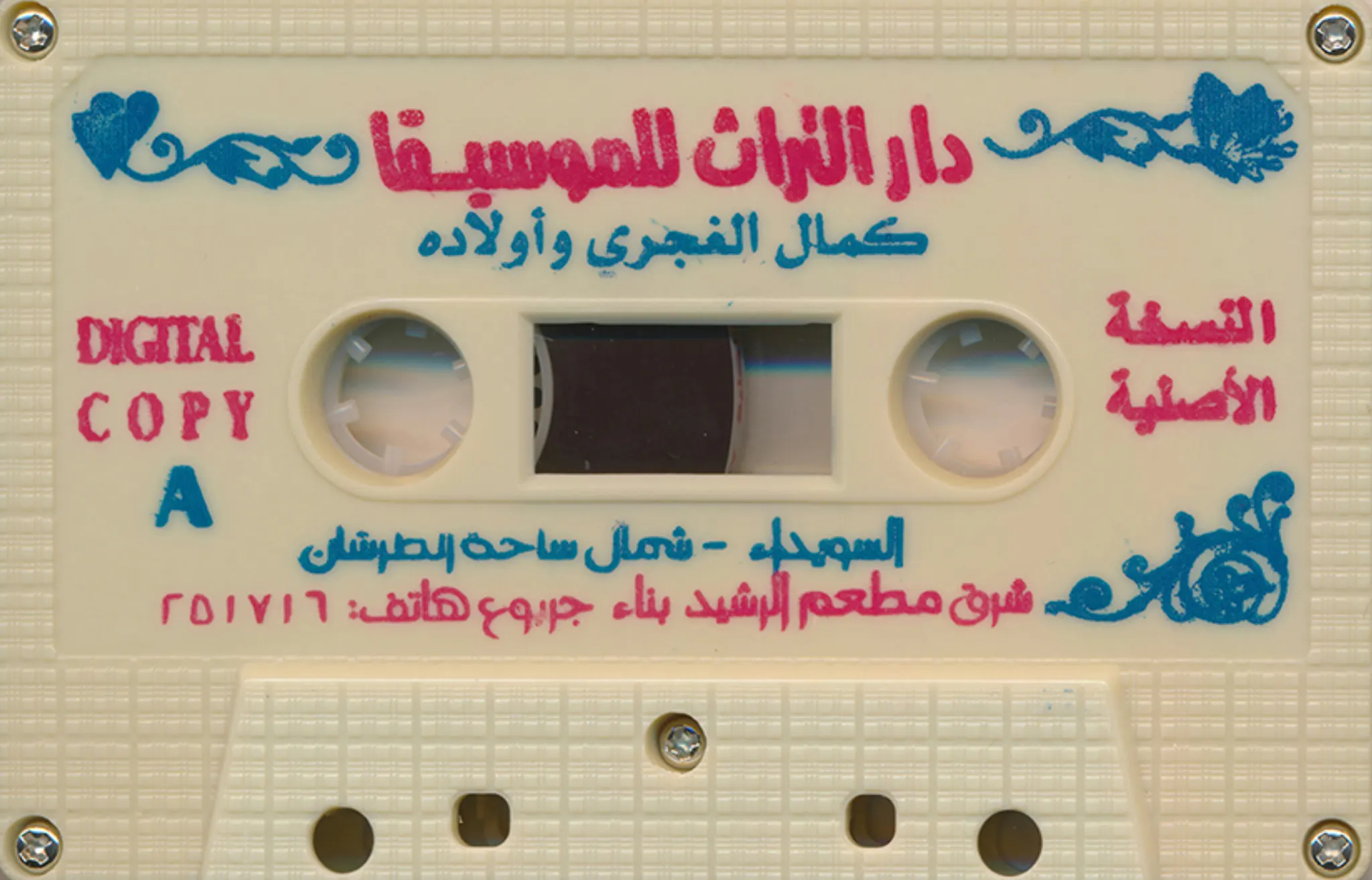
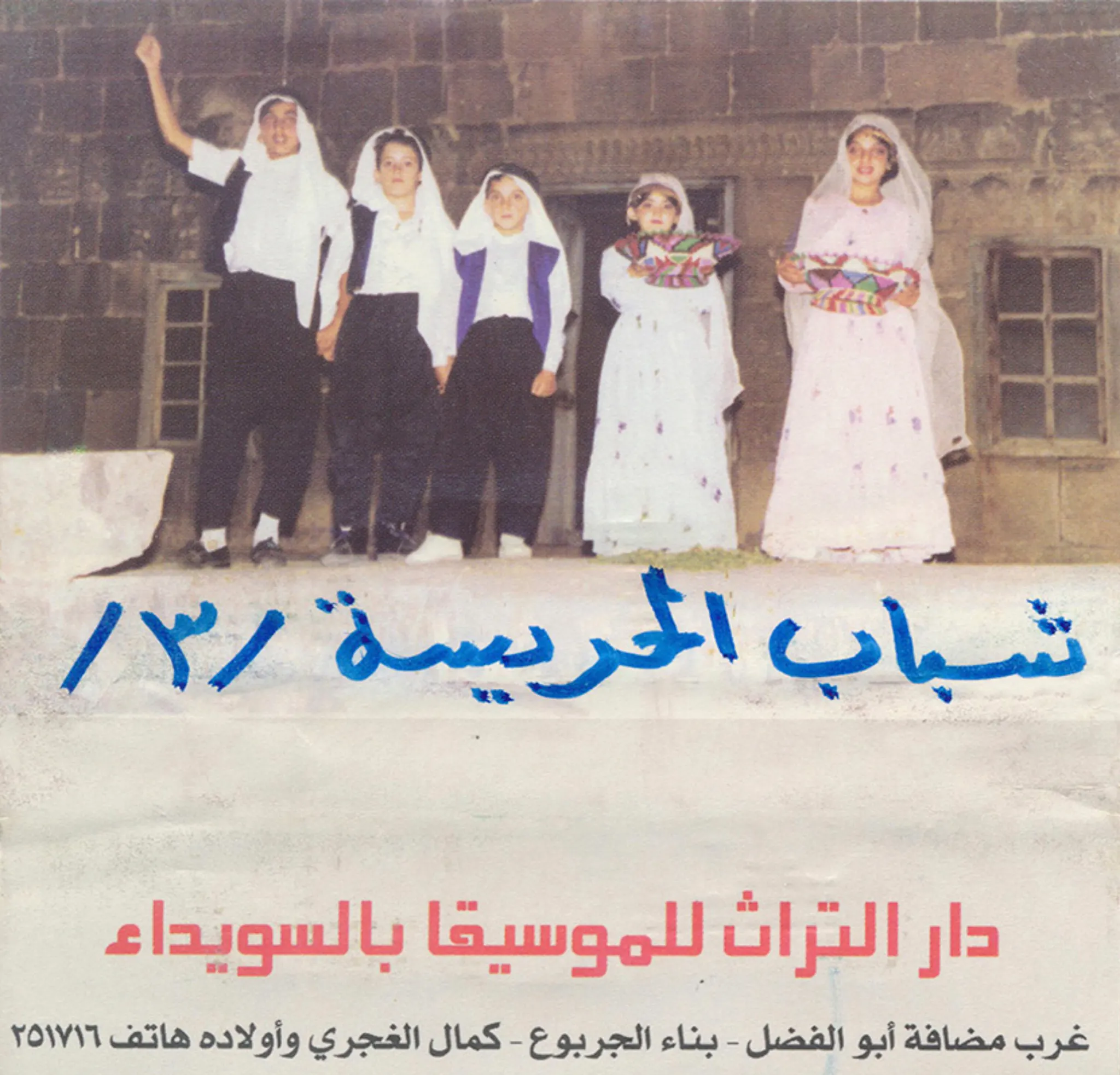
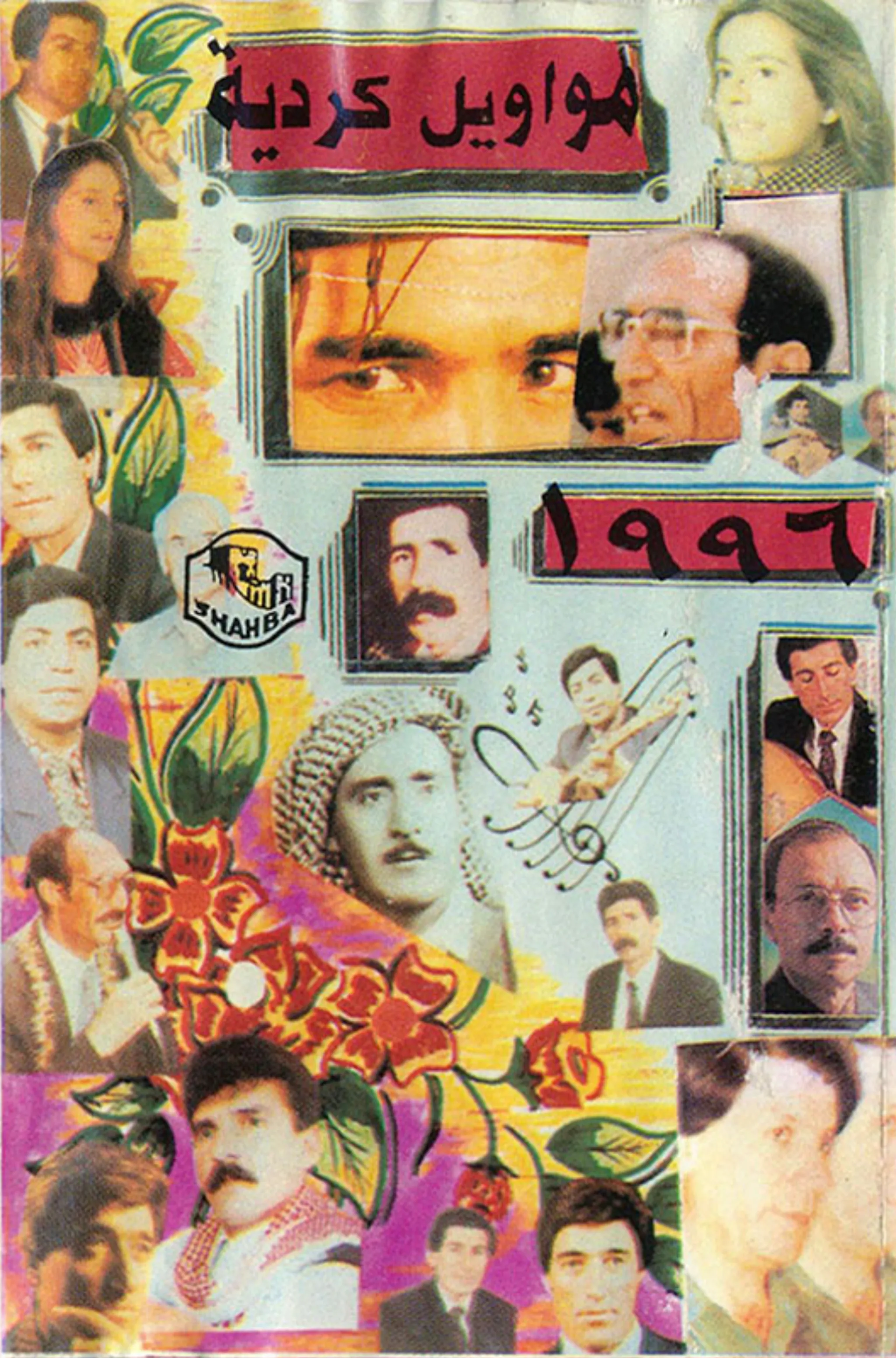
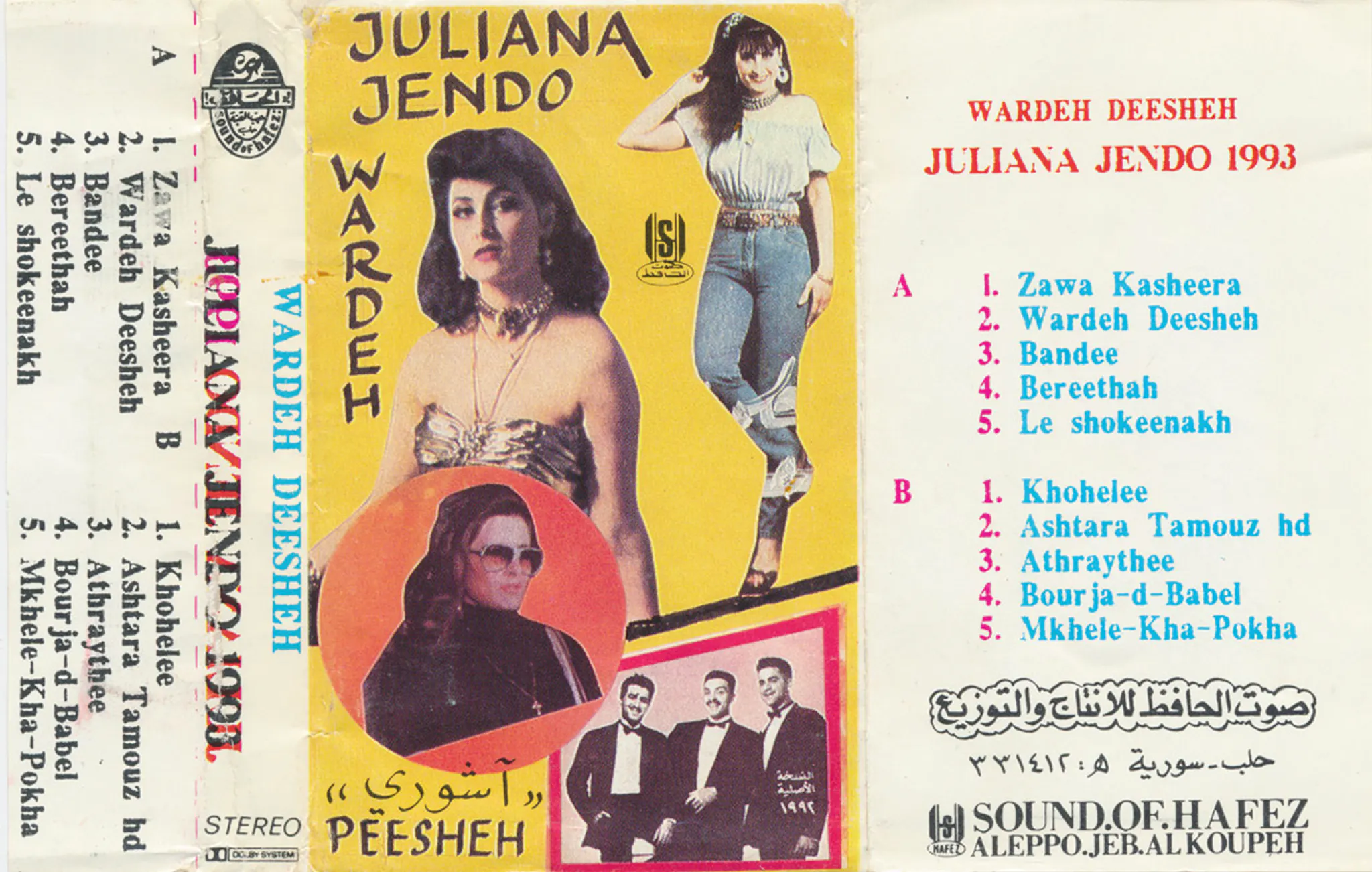
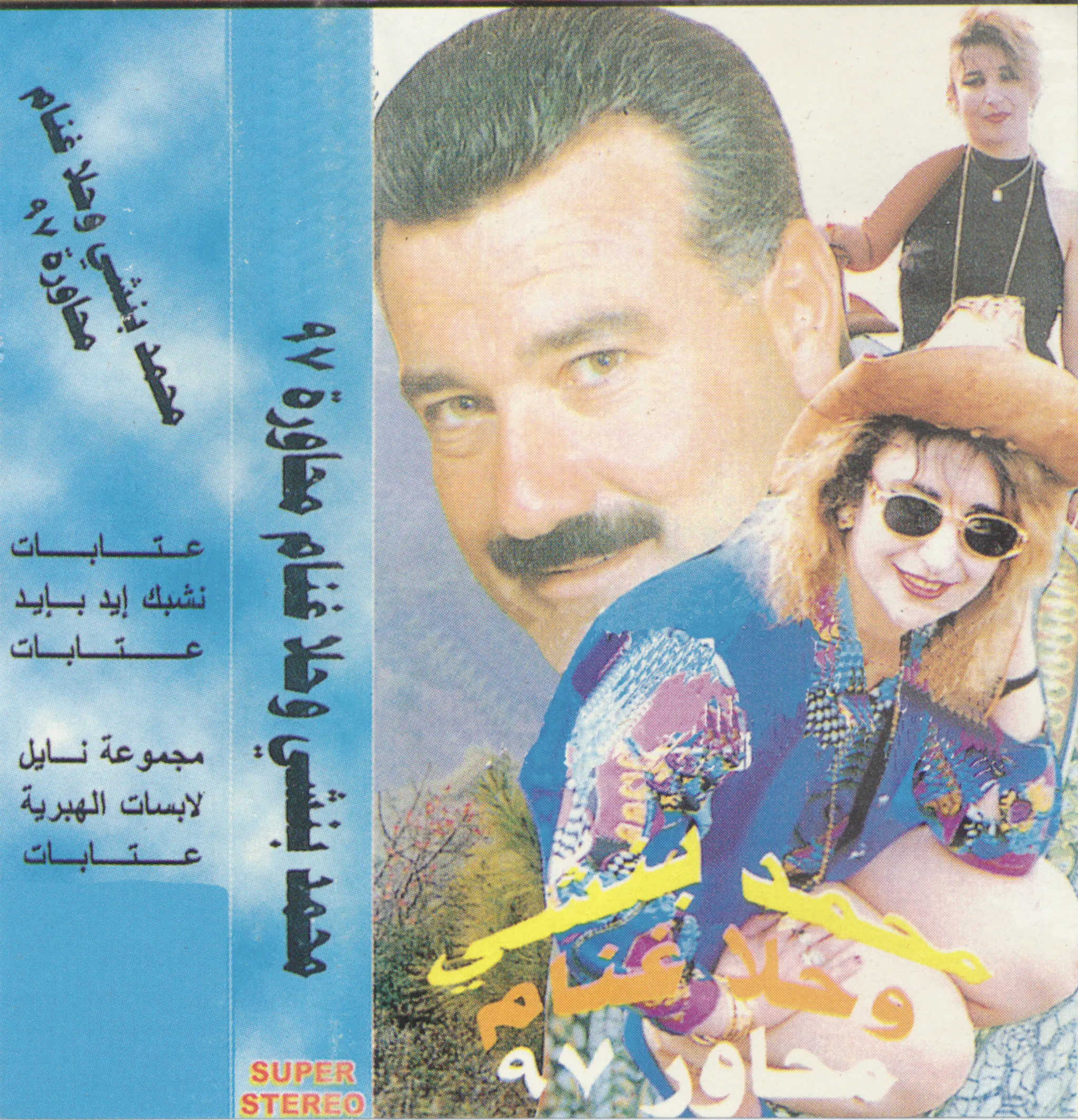
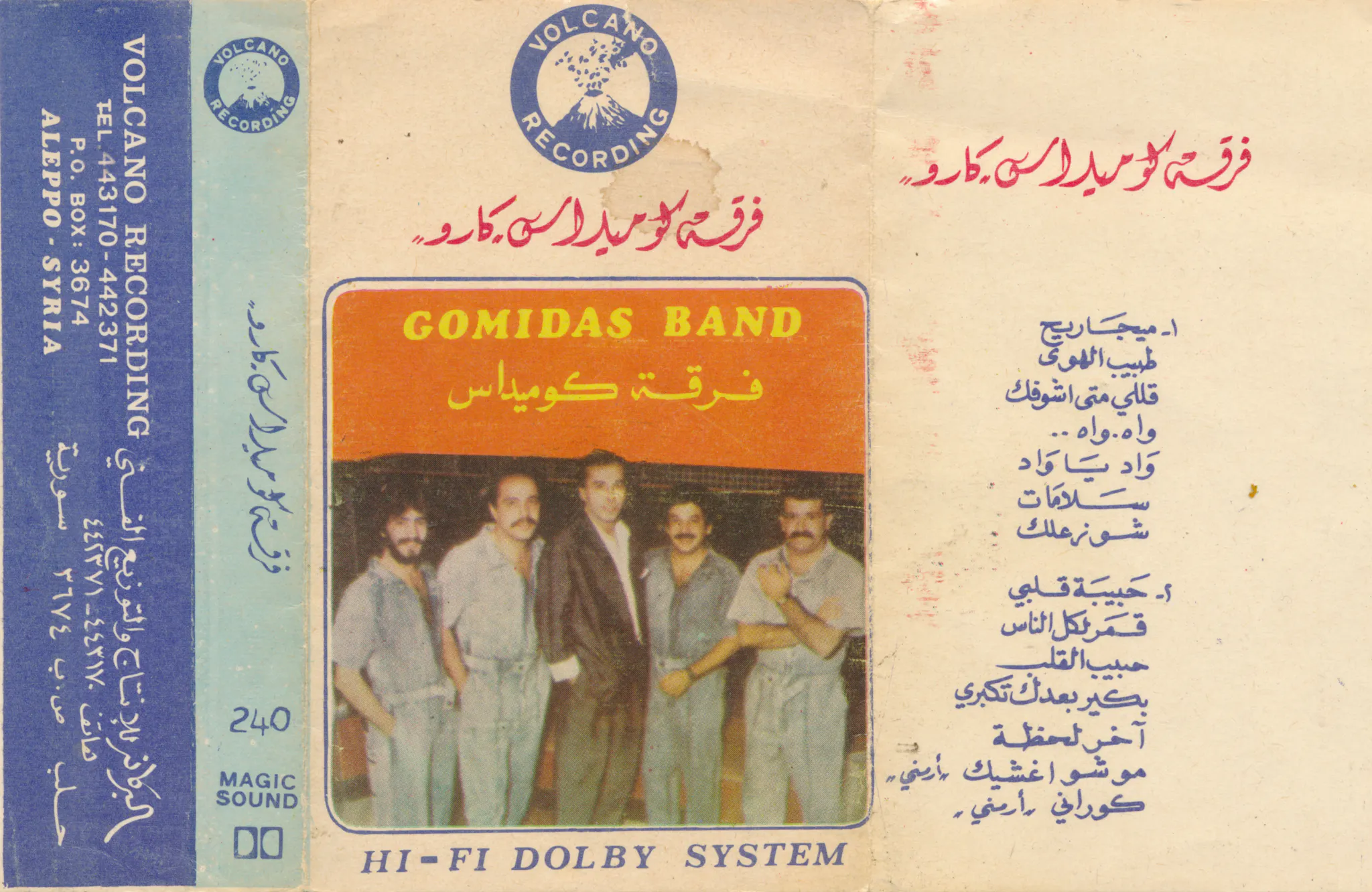
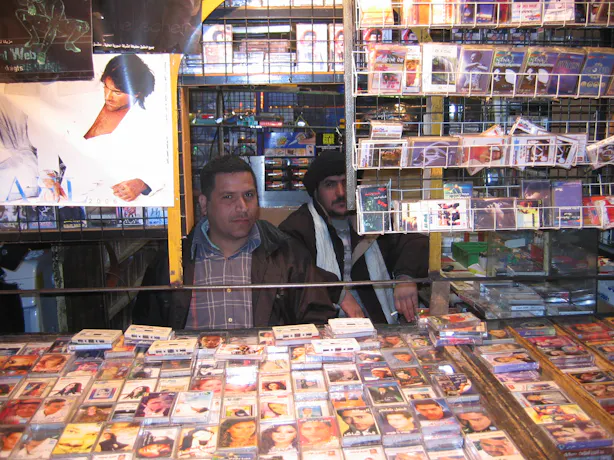
During Syria’s cassette era (1970s–2010), the tape moved between friends and family, travelled in cars and buses, and blared from restaurants, cafes, and homes.

Much of this music existed outside official cultural spaces — wedding songs, religious recitations, regional folk traditions — reflecting the many communities, regions, and identities that make up Syria and the surrounding region.

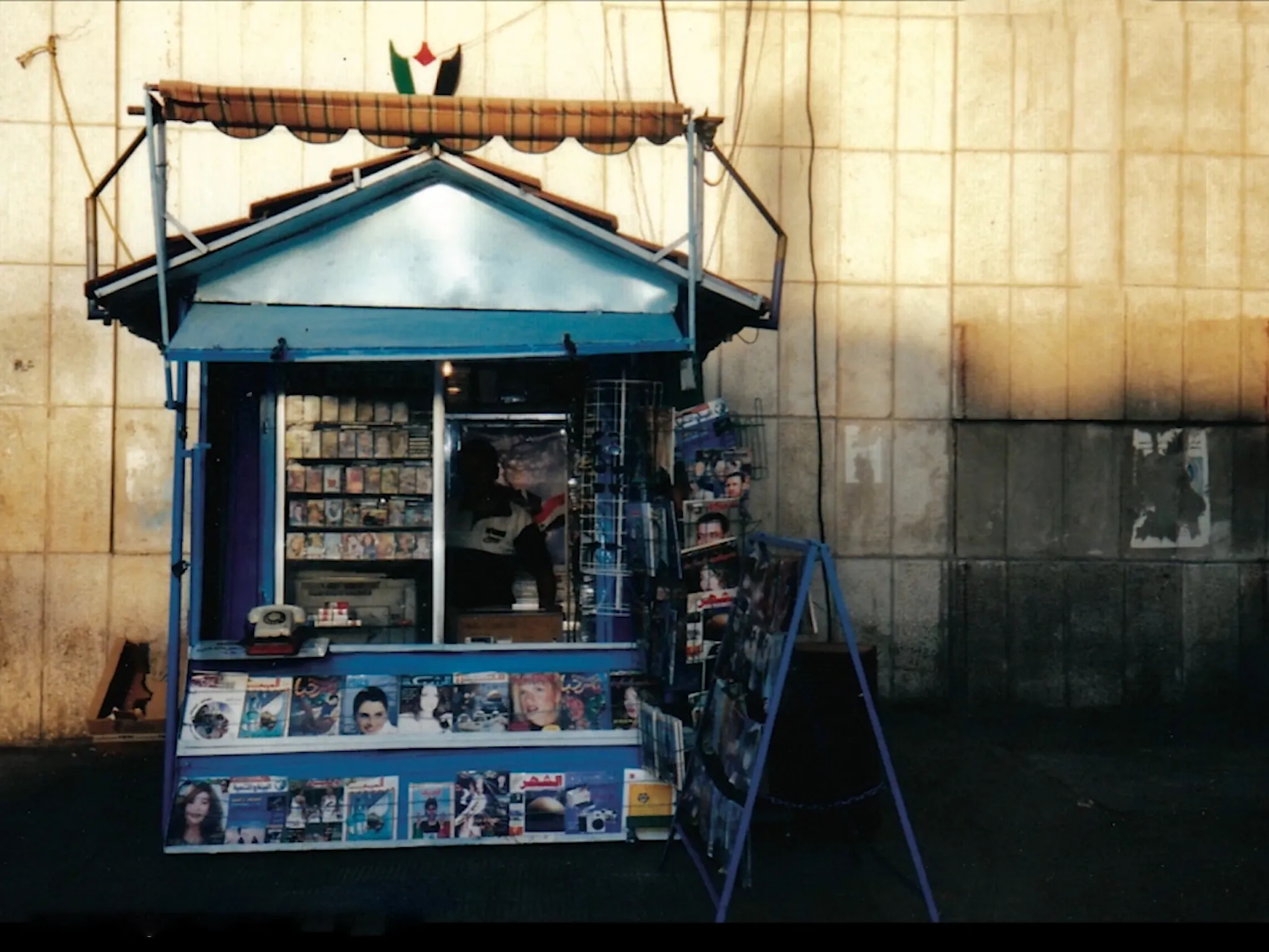
Many cassettes were ephemeral, produced in small quantities and circulated through shops, street kiosks, and informal networks. They weren’t intended for preservation, yet decades later, the sounds remain.

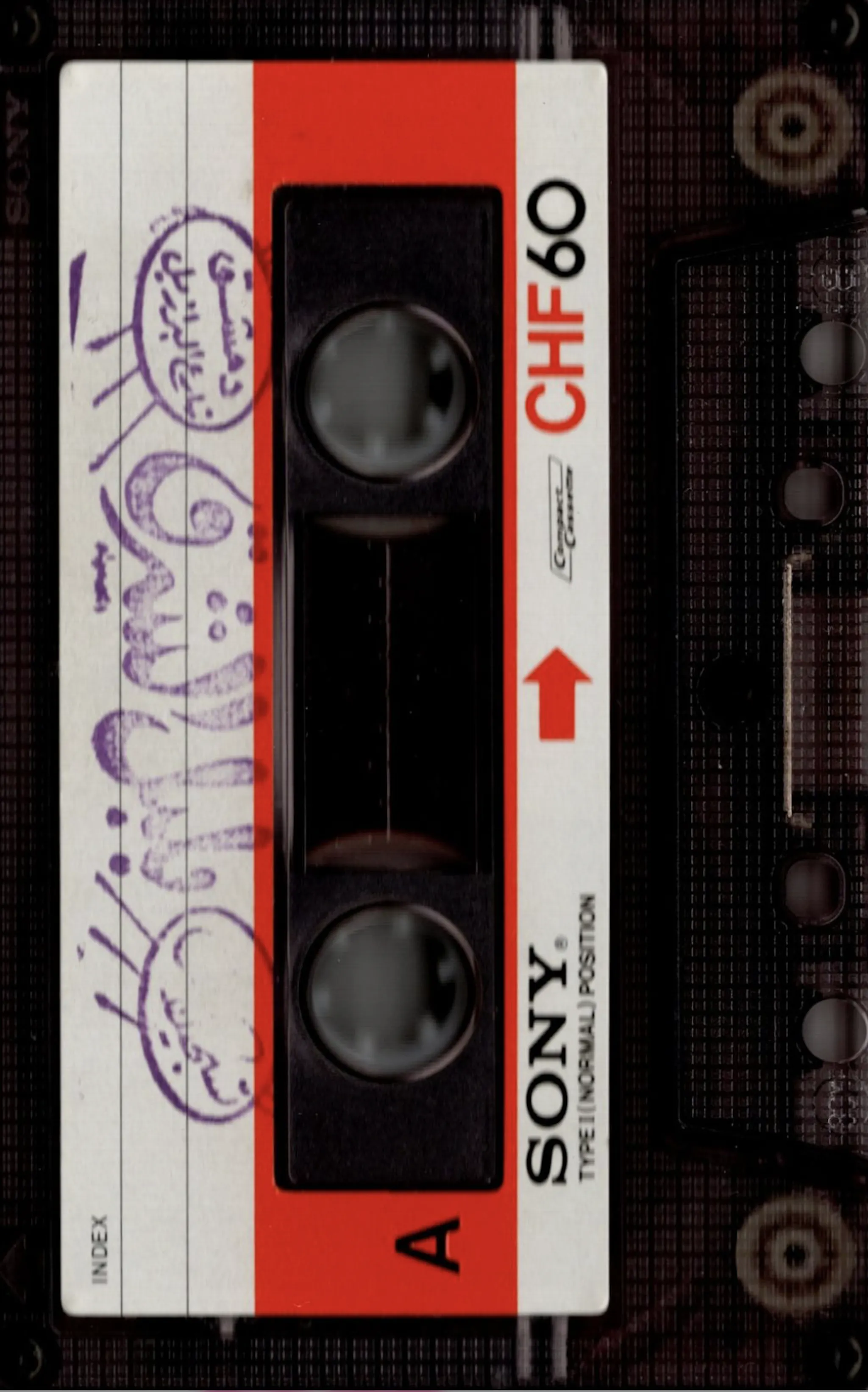
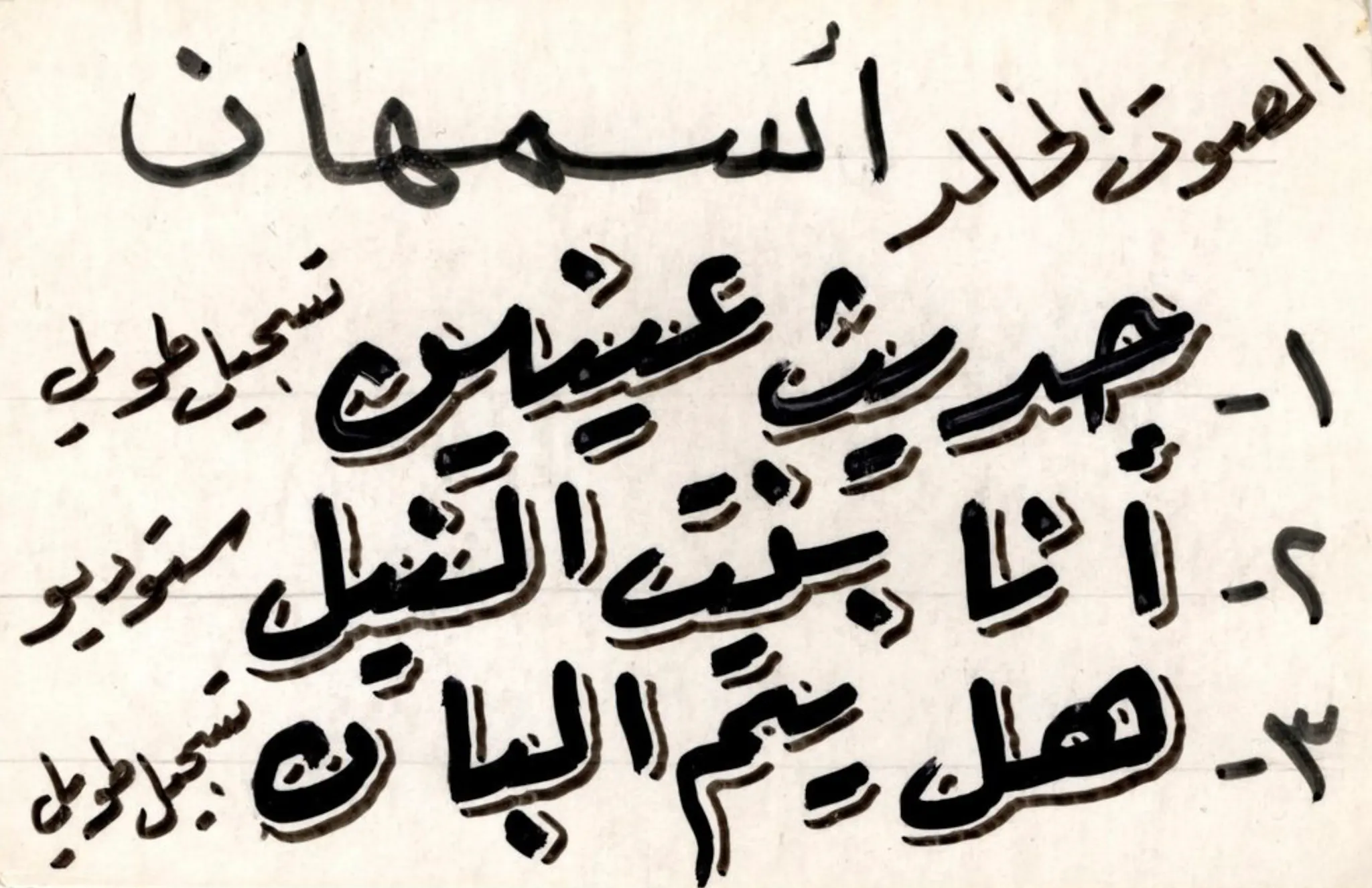
The cassette survived through use. It was duplicated, traded, replayed, and often recorded over. Its survival depended less on institutions than on ordinary habits of listening, sharing, and keeping.

The melodies on these tapes often predate the recordings themselves. Songs and rhythms were passed down across generations before being captured on cassette at a specific moment.

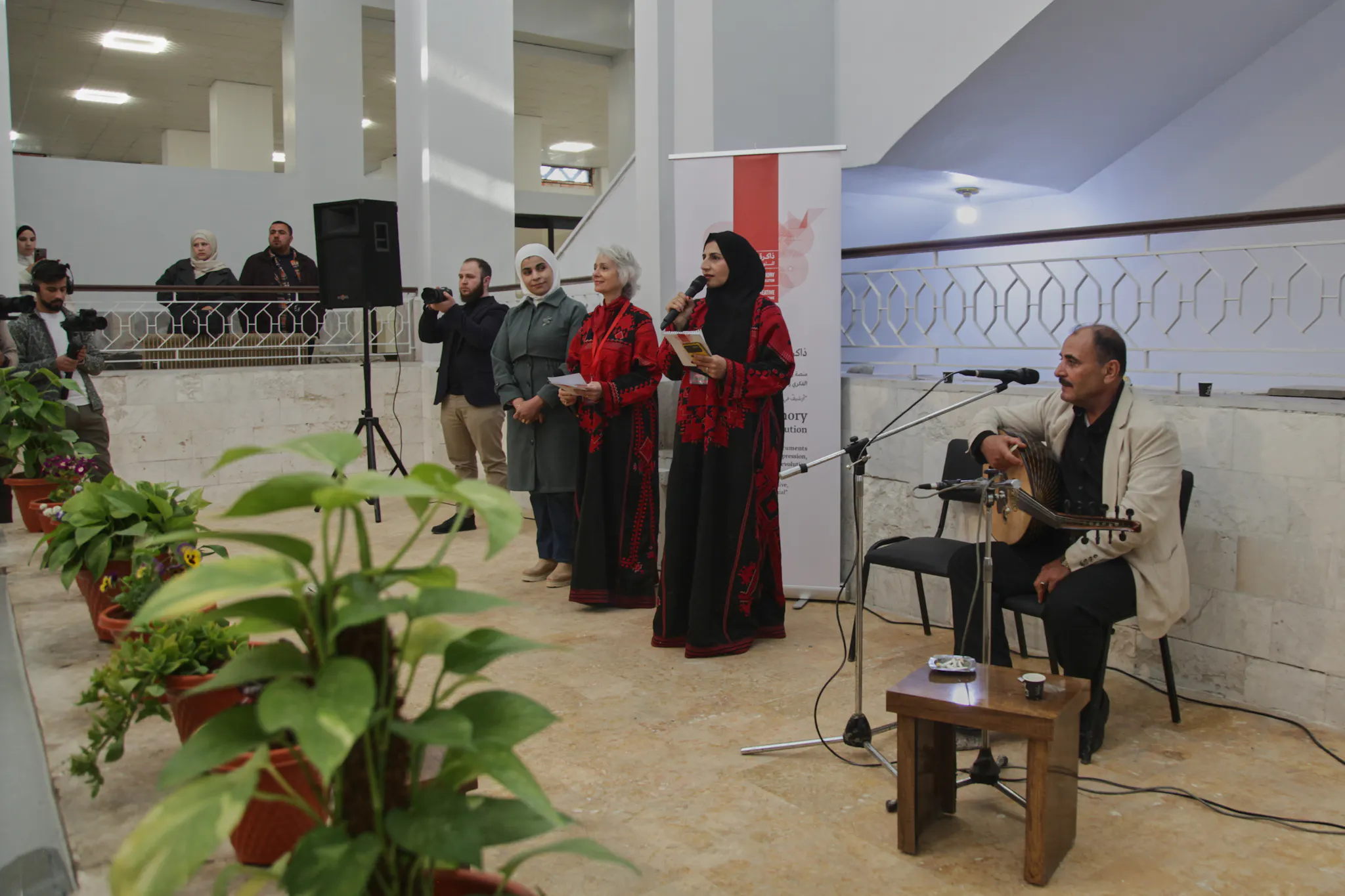
Since the fall of the regime, SCA has presented its work inside Syria through public events and workshops. After the 2011 revolution and all that followed, sound took on new meanings and resonances. During these years, people were forced into difficult and unprecedented positions, and their lives were radically transformed. While some left for Europe or neighbouring countries, others fought or stayed and lived through it all. These different experiences altered how people related to the memory of Syria’s pasts and its sonic worlds. Attempting to explore this relationship, led to the development of a week-long musical and archival programme held in April 2026 at the National Museum of Idlib, in partnership with the digital platform Creative Memory of the Syrian Revolution.
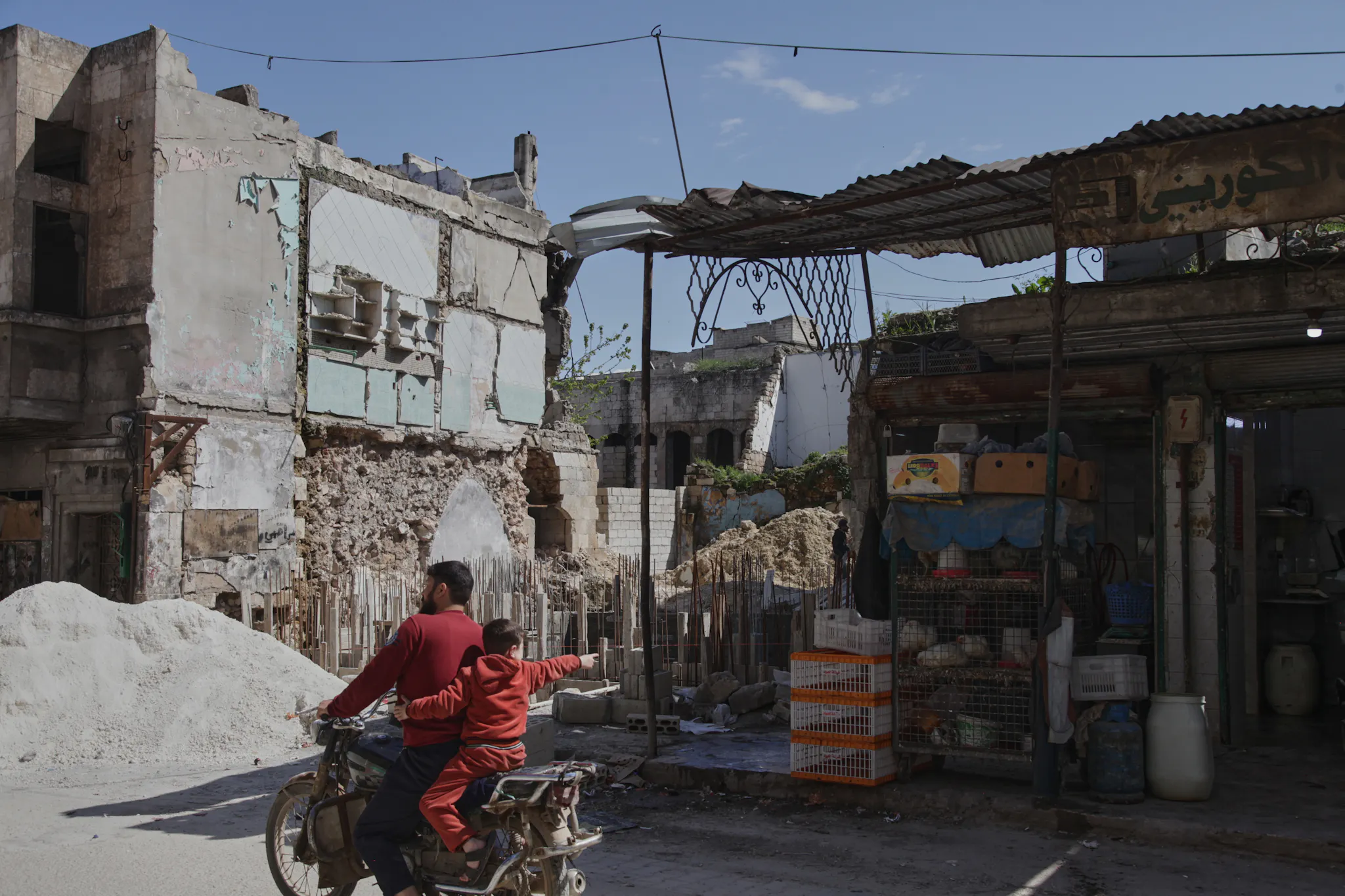
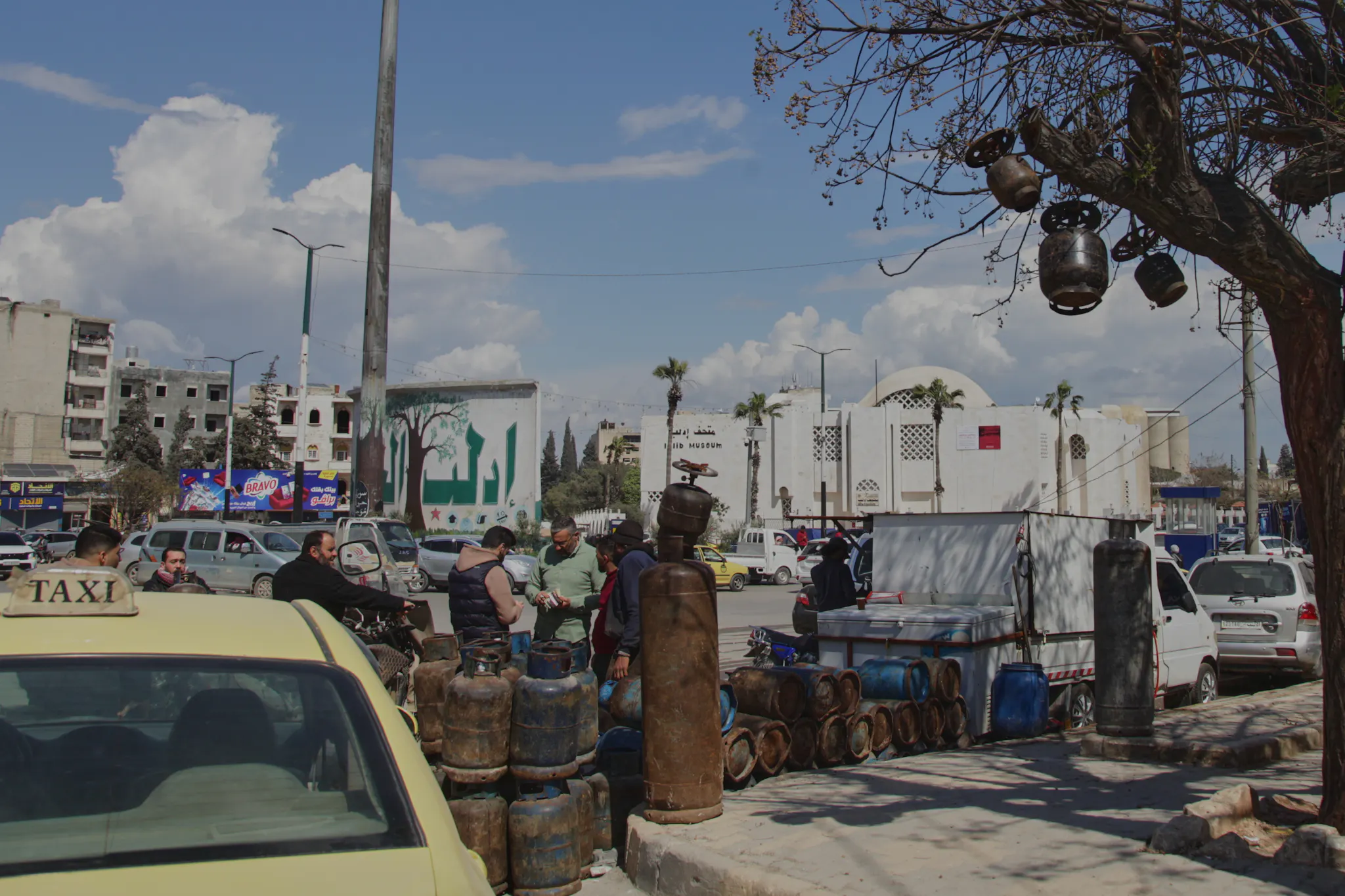
Idlib, 2026. The city carries visible marks of the war years alongside signs of rebuilding.

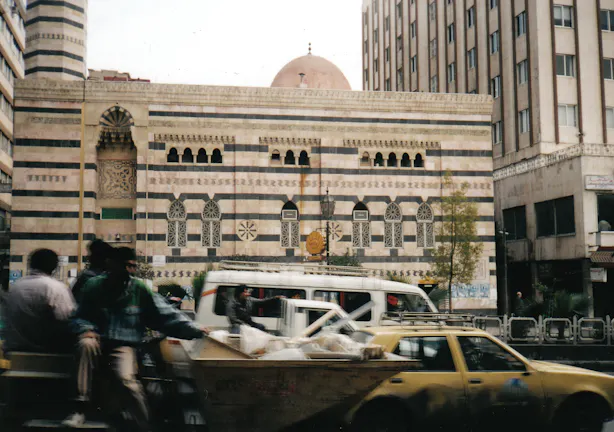
Al-Mihrab Square, Idlib. The National Museum of Idlib, where SCA presented the week-long programme.

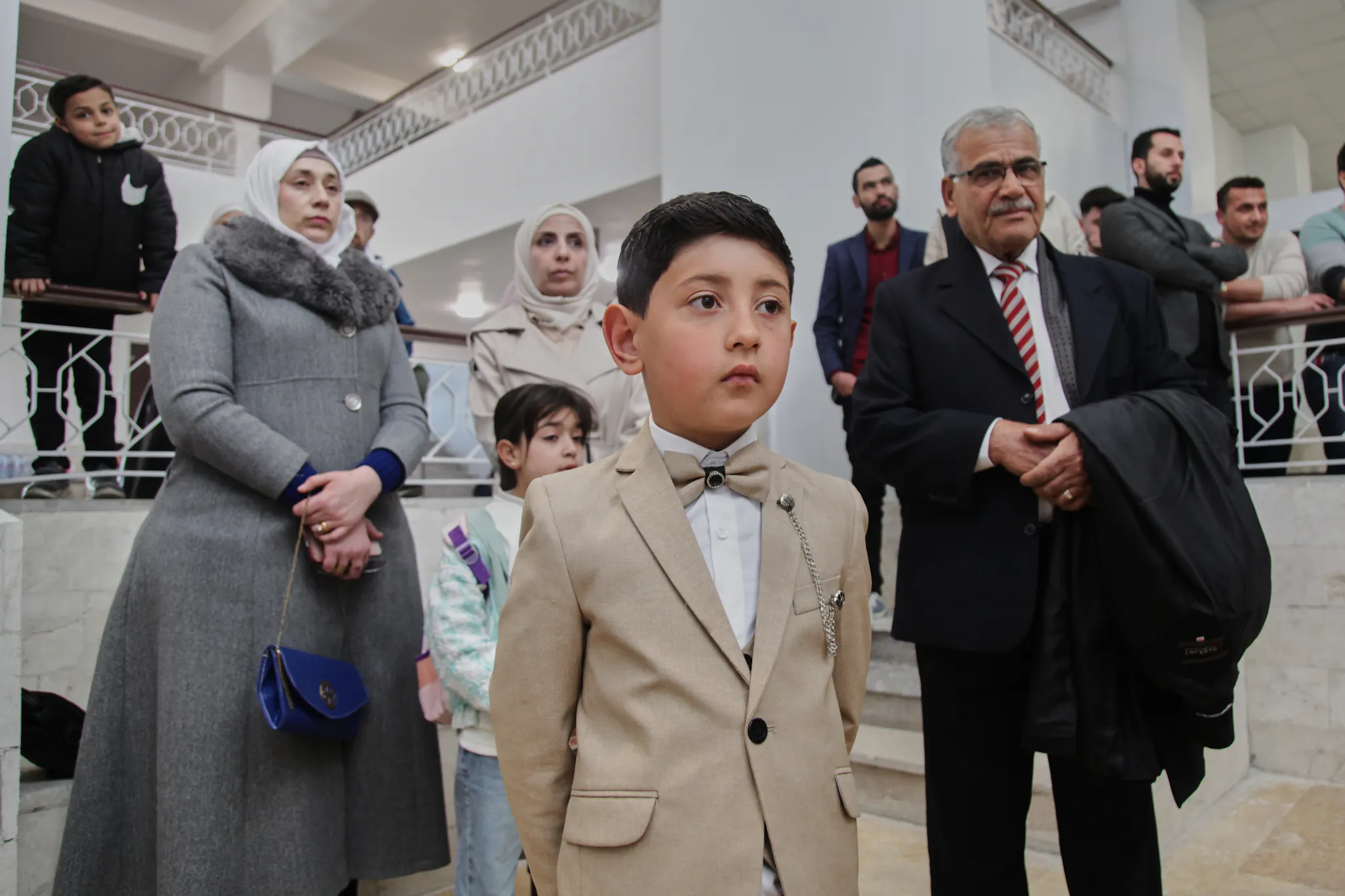
Opening of Detainees and Disappeared: Art Documents, Archives Speak, organised by Creative Memory of the Syrian Revolution in partnership with Syrian Cassette Archives. National Museum of Idlib, April 2026.

A family listening to traditional music from the region at the opening. For many visitors, the recordings on the listening stations were familiar — music they had grown up with.

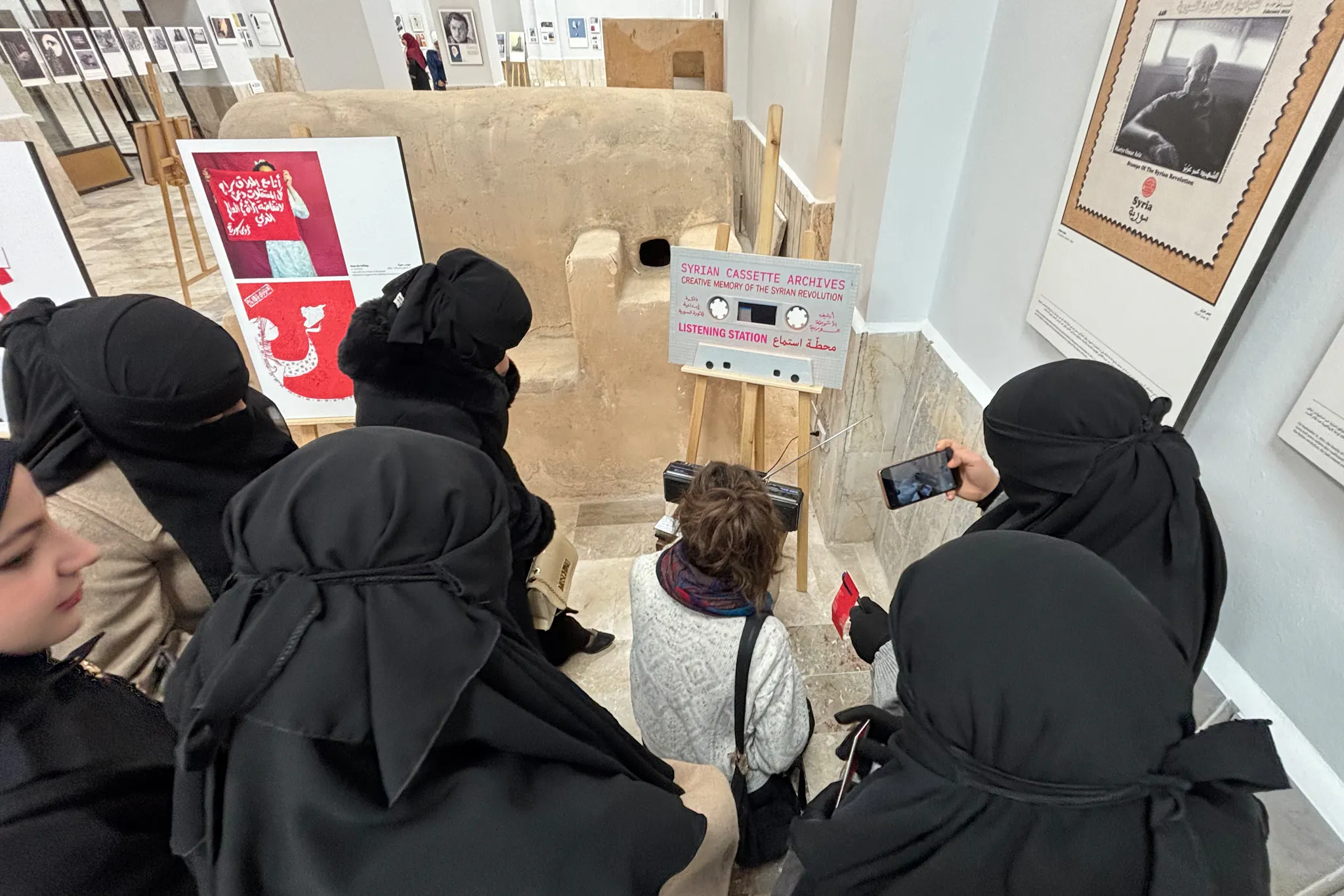
Visitors engaging with SCA listening stations featuring cassette recordings from Idlib — music documented as a lived and communal practice.

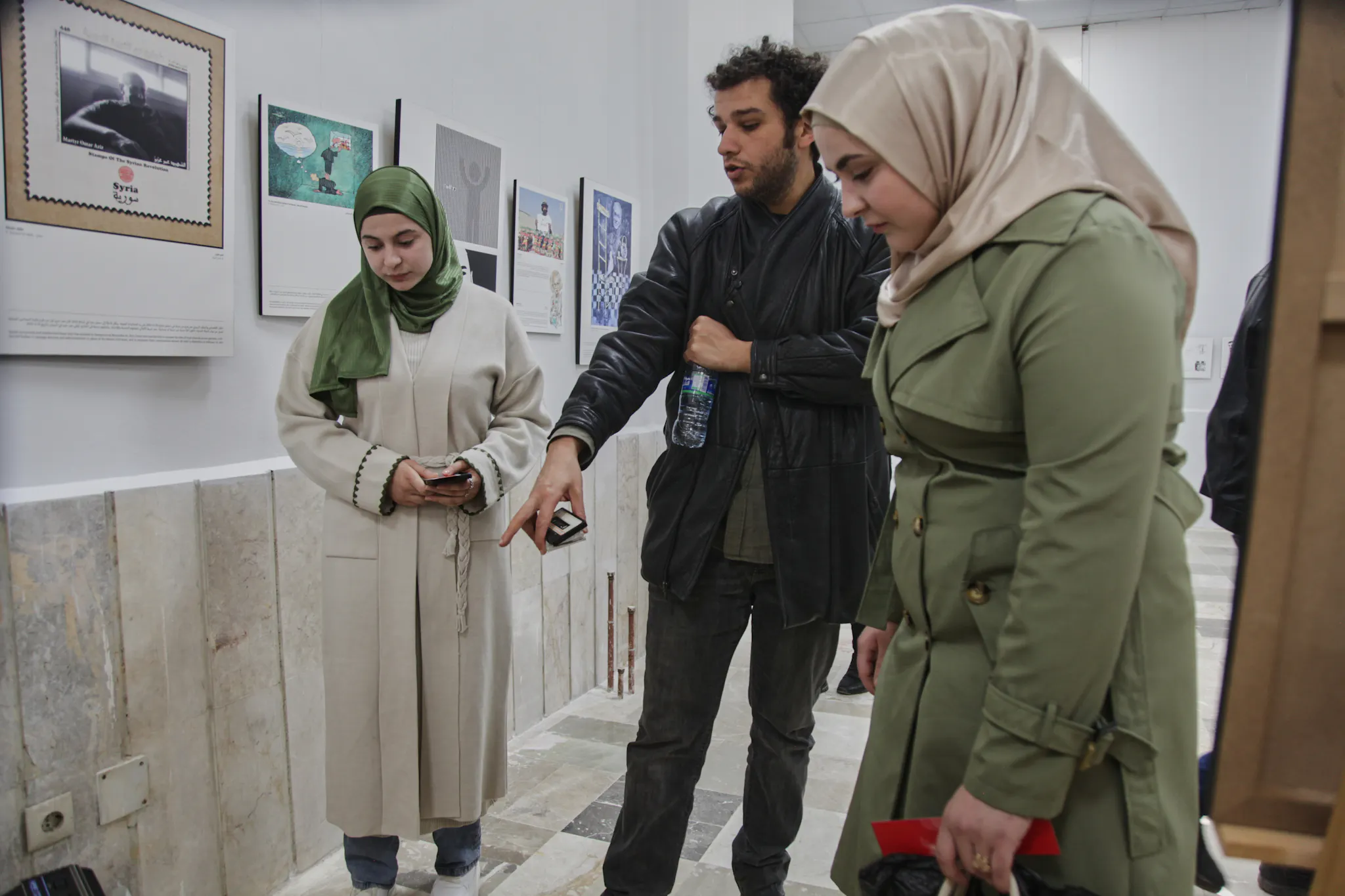
Yamen Mekdad, co-founder of Syrian Cassette Archives, in conversation with visitors about the project and its collection.

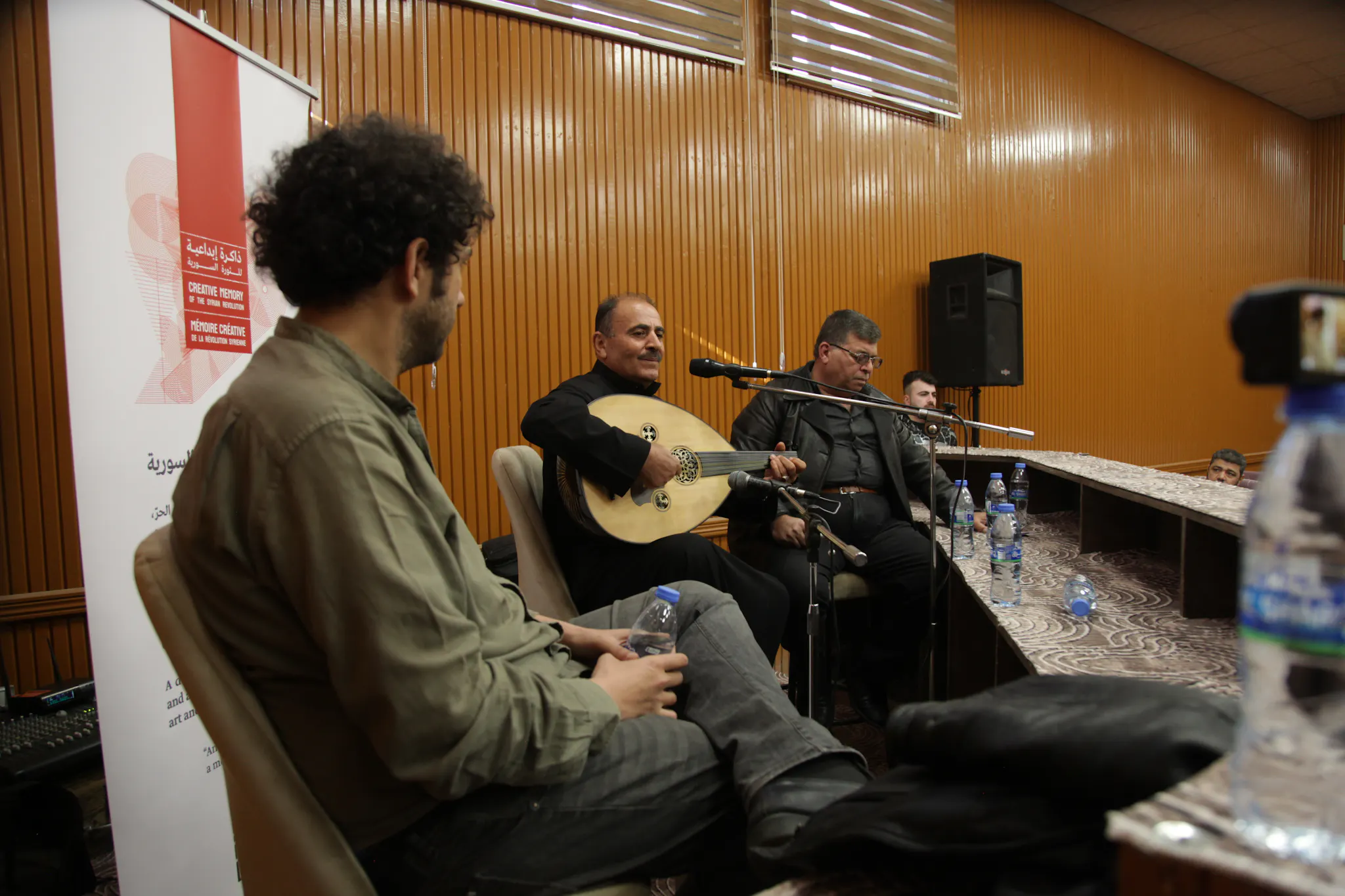
A panel discussion on how the revolution and war reshaped Idlib’s musical life, with artist Mahmoud Al-Qaddour and researcher Yasser Al-Soufi, moderated by Yamen Mekdad.

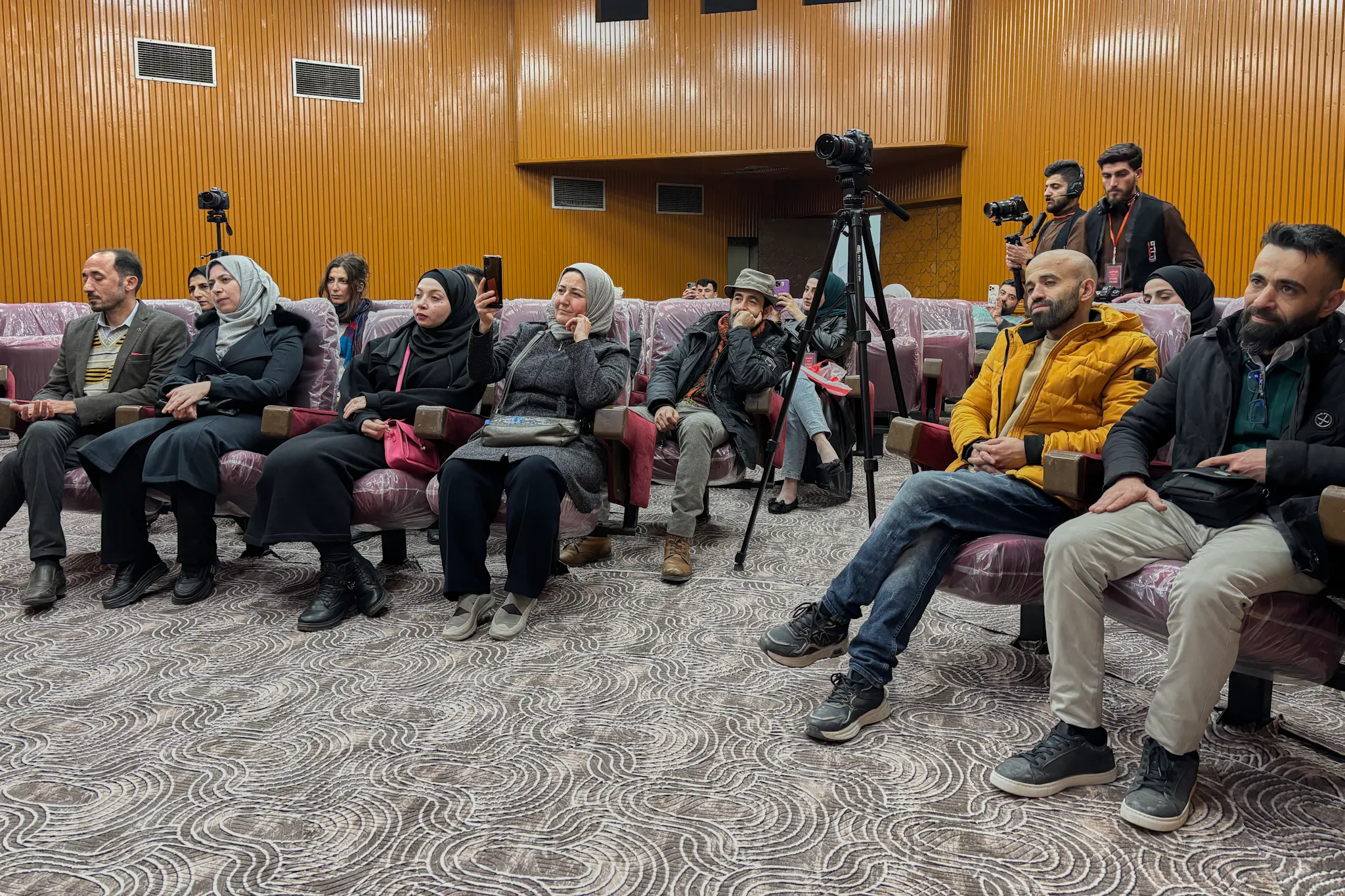
Part of the audience during the listening session and discussion on traditional music in Idlib.

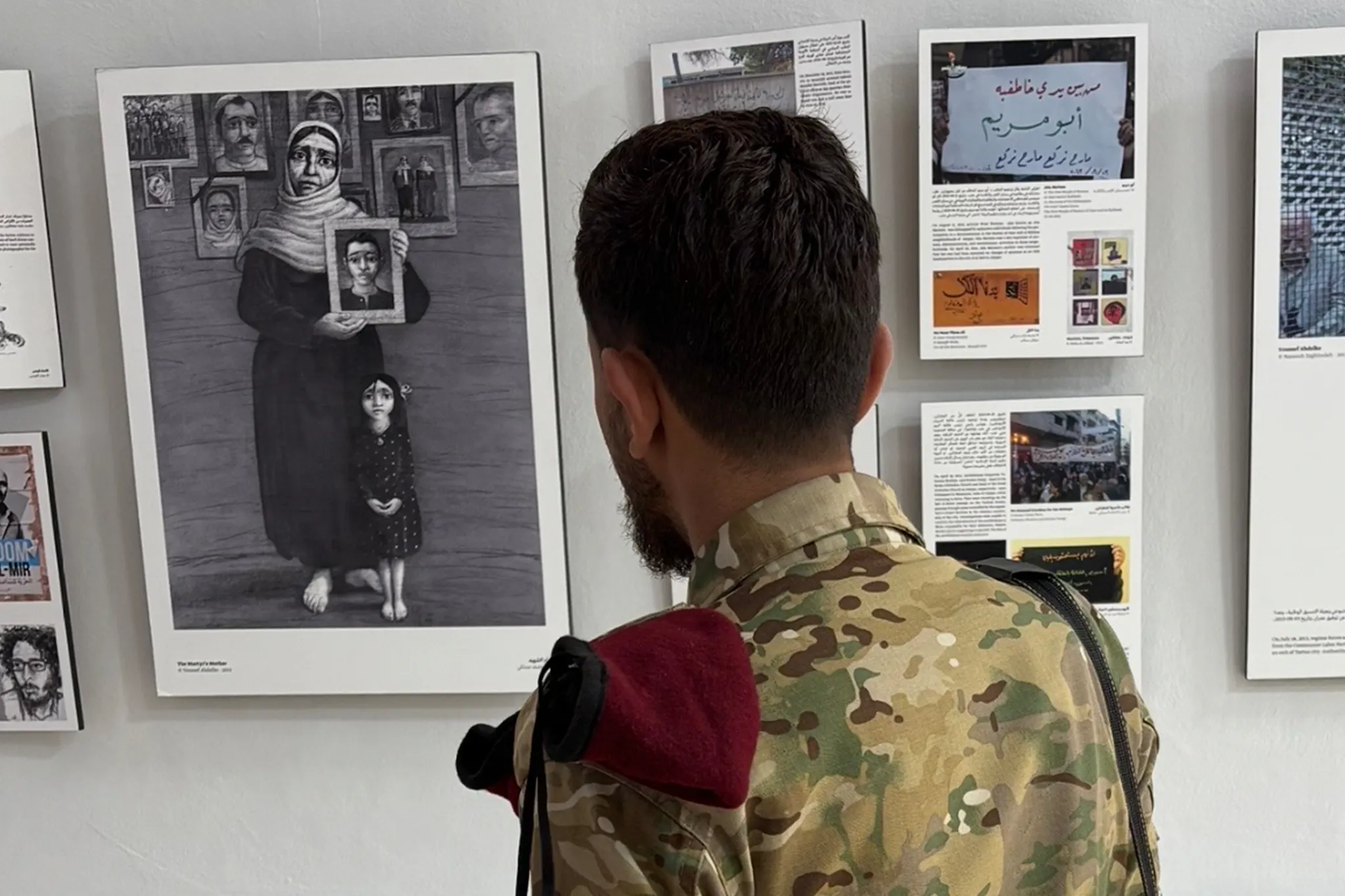
A soldier from the new Syrian army during his visit to the exhibition.

For many people encountering these recordings now, they are not documents of a receding past but a way of reconnecting with a cultural fabric and living archive, offering materials from which to think again about what Syrian sound might carry forward.

Credits

Text: Yamen Mekdad 

Photography: Omar Malas  

Editor: Mark Gergis 

Related